Death Cleanup
Cleaning a home after someone dies, including fluids, odor and affected belongings.
See death cleanupGet decomposition fluids, affected materials and odor removed from a home, apartment, rental or business in Great Falls after officials release the property. Cleanup timing depends on the affected area and materials.
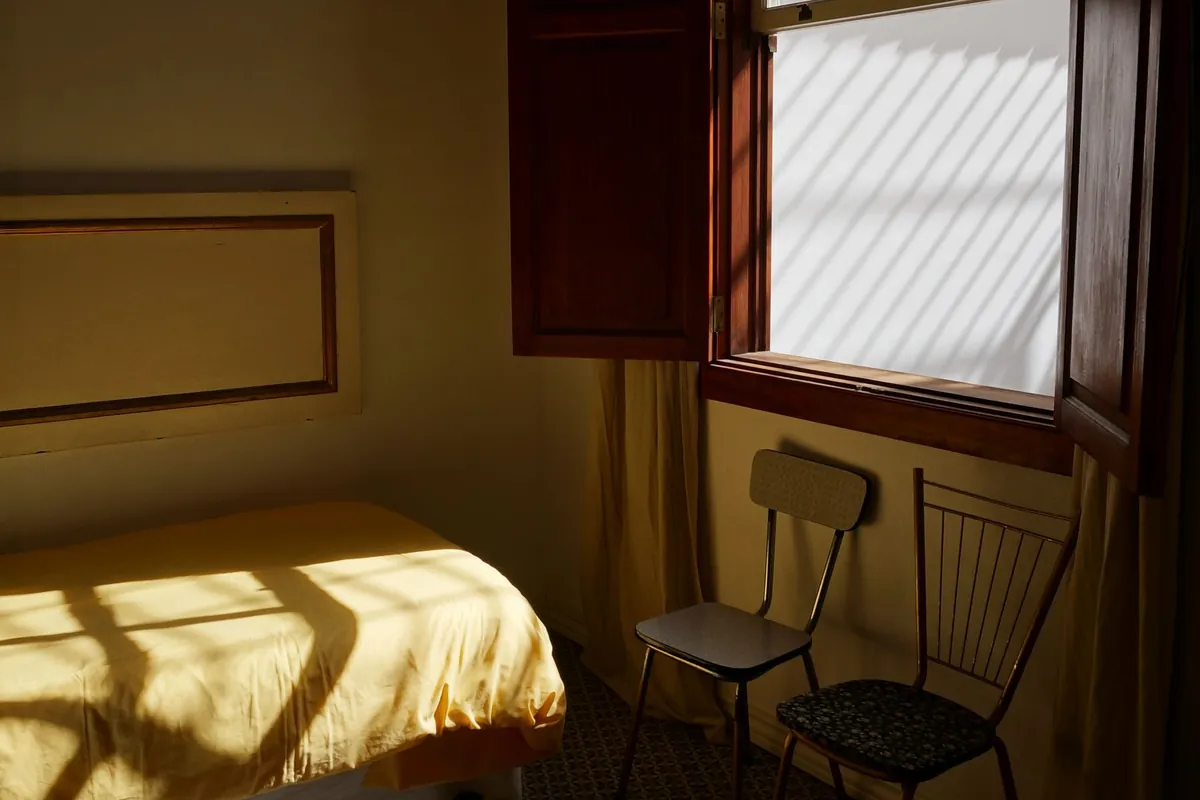
Unattended death cleanup removes odor, affected belongings and decomposition fluids when someone died but was not discovered for some time. The affected space is then cleaned and disinfected.
After a funeral home or medical examiner brings the deceased person into its care, the property still needs cleaning. That responsibility belongs to you or another authorized person once officials release it. People may call the work unattended death clean up or decomposition cleanup. Post death cleanup is another name. Biohazard clean up after death is used too.
The work looks past visible marks to determine how far contamination spread. Bedding, carpet and its pad may let bodily fluids through to flooring seams or subfloor, and material may settle alongside furniture or walls. Cleanup technicians trace that movement, discard items that cannot be completely cleaned and use an EPA-registered disinfectant on remaining surfaces for its label contact time. They also ready hazardous waste for disposal according to law.
The remediation process also includes odor removal. The source must be removed before the air and remaining surfaces are treated. Personal property beyond affected areas may then be sorted, cleaned where suitable, or reserved for you to inspect. Work on new baseboards, flooring or drywall typically starts after death scene cleanup is finished.
Insurance companies, landlords and property managers can receive organized photographs, waste records and scope documentation. Clear records help you move forward with repairs and claim evaluation.
Safely reachable photos, records, jewelry and additional valued possessions are set aside. You decide how set-aside belongings should be treated whenever possible.
Your call is answered around the clock, and crews use unmarked vehicles. You do not have to walk through the room or explain sensitive circumstances to neighbors when arranging access.
Before work starts, you learn what was found, why cost may change, and which materials stay or require removal. Answers are available as each stage proceeds.
When someone was not found soon enough after death, resulting fluids or odor may make unattended death cleanup services necessary. Whatever the location, others should be kept away and the contamination path must be identified.
Heavy belongings can hide affected materials and make access difficult. Death cleanup and hoarding cleanup require coordination so reviewable property stays separate from contaminated materials.
Fluids may penetrate the subfloor while odor reaches an adjoining wall or lower unit. Clear photographs and a specific work zone may be needed by the family, tenant, property manager and insurance company.
Discreet containment may be necessary at a hotel or vacation rental, along with flooring and furniture treatment plus careful odor control before repairs or regular use.
Officials must release the rental before a manager or landlord can set up access. Personal property remains in place pending the authorized person's decision about cleaning, saving or removal.
Your immediate step is to avoid the affected area while awaiting release from officials. This protects you, everyone nearby and the investigation, as well as a possible claim through insurance.
Call (888) 440-9227Published guides show that many unattended death cleanups cost $2,000 to $7,000. For a recent case limited to one room, the range may be $2,000 to $5,000. When discovery comes after one to two weeks, costs may run $8,000 to $18,000. An on-site assessment determines the final price based on elapsed time, penetration by fluids, affected materials, waste volume and odor treatment.
The figures shown are national ranges from published cost guides and are not based on an on-site visit. The price for your property is set after the on-site assessment, and you hear it before work starts.
Ask about cost: (888) 440-9227Insurance for a home, rental or commercial property may cover cleanup after an unattended death. The cause of the loss and the policy's exclusions, deductible and other terms determine coverage.
Confirm the adjuster's documentation requirements. Site photographs, a detailed work scope, waste documentation and notes identifying removed materials may support the insurance company's evaluation.
Call the insurance company and ask specifically about biohazard remediation, contaminated material removal, odor treatment and repairs. Keep the claim number and ask before discarding property.
Homeowners or renters insurance is usually the first place to ask about cleanup costs. After a death the estate often pays, and in a rental the owner usually arranges the cleanup.
Payment arrangements reflect policy details, the lease and property ownership responsibilities. A tenant's policy may concern personal property as the landlord arranges work affecting the building.
The unattended death cleanup process moves in a controlled order, from release and assessment through removal, disinfection, odor treatment and final records. Every step depends on what the assessment finds.
Technicians confirm the official release, speak with you about access, inspect the affected area and surrounding rooms, document conditions, and define what work is needed.
Clean areas of the property are divided from the work zone. Movement through corridors and common spaces is limited with barriers, floor coverings and controlled air.
The work determines which gloves, clothing, eye protection and respiratory protection cleanup technicians use. OSHA Bloodborne Pathogens Standard 29 CFR 1910.1030 applies when workers may contact blood.
Controlled sections of carpet, padding, bedding, furniture, drywall or flooring are removed when complete disinfection is not possible. Unaffected personal property and keepsakes are kept apart for your inspection.
Hard surfaces that remain are first cleaned, then an EPA-registered disinfectant stays on them for the entire label contact time. Crevices receive attention along with surrounding surface areas.
Contaminated sources are removed before odor treatment starts. The remaining contents and room conditions guide selection of HEPA air scrubbing, hydroxyl treatment or another method.
Contaminated materials are sealed in appropriate containers and moved through a planned route. You can store disposal documentation alongside insurance records and cleanup images.
After cleaning and odor work, the affected area receives an inspection. Once the completed scope is recorded for you, affected finishes can advance to restoration services.
Call at any time. A specialist in unattended death cleanup takes your call, explains each step and agrees on a start time with you.
Bodily fluids and contamination absorbed by porous material can remain after an unattended death, making thorough disinfection, protective equipment and controlled removal necessary.
You may face added emotional strain by viewing where a loved one died during a difficult time. You may coordinate entry without seeing the affected room and point out valued possessions while staying somewhere safe.
Some bodily fluids and blood may contain bloodborne pathogens. The CDC states that surface survival for hepatitis B can reach at least seven days. Material is not necessarily safe when dry, so you should not touch it directly.
Beneath carpeting, fluids can enter padding and subflooring or travel toward baseboards and furniture connections. A surface mark may disappear even though contaminated materials and odor remain underneath.
Can you clean it yourself? Do not treat an unattended death like a small spill at home. Do not apply spray, use a vacuum or touch the affected area. Keep the room closed so material does not reach surrounding areas. Wait for a release from law enforcement or the medical examiner or coroner before arranging professional cleanup.
Materials may remain if every exposed surface is accessible and can be cleaned completely. When decomposition fluid soaks into a porous item and prevents effective disinfection, that item must be taken out.
When blood exposure is possible, federal OSHA Bloodborne Pathogens Standard 29 CFR 1910.1030 establishes worker rules for exposure controls, protective equipment, training and work practices.
Any disinfectant targeting the organism must have EPA registration and be applied as its label directs. The full label contact period requires a continuously wet surface.
South Carolina treats soaked materials from a biohazard scene as infectious waste. South Carolina Department of Environmental Services rules control how it is segregated, transported and treated, so it cannot go in household trash.
South Carolina uses a county-based system in which an elected coroner in each county investigates deaths, with no statewide medical examiner office. Cleanup starts after police or the coroner release the scene.
A limited cleanup after an unattended death may require about one day when only one room is involved. Subfloor removal, extensive treatment for odor or contamination across several areas can extend the work to several days. You receive the clearest timing after the on-site assessment.
The full unattended death cleanup guide covers what is cleaned or removed, odor and air quality work, and the rules that apply in South Carolina and Chester County.
Read the full unattended death cleanup guideLocal housing, population and access details can shape containment, access and cleanup planning.
The relatively small 17.9% rental share does not change safety needs, but it can make property decisions more direct.
A median construction year of 1956 means older wall and floor assemblies may require careful inspection beneath the visible surface.
In Great Falls, 214 older adults live alone, making privacy important when relatives, landlords, or building staff become involved.
Detached and single-family properties account for 94.6% locally, so exterior access and safe waste movement should be planned early.
You can ask about cleanup in nearby communities and ZIP codes during the call.
Cleaning a home after someone dies, including fluids, odor and affected belongings.
See death cleanup
Cleanup clears fluids from decomposition out of floors, subfloors and furnishings.
See decomposition cleanup
Air scrubbers, hydroxyl and ozone treatment support death odor removal at its source.
See death odor removal
Cleanup removes infectious material, including blood and body fluids, and disinfects the property.
See biohazard cleanup
Trauma scene cleanup is needed after violent events, accidents and injuries.
See trauma scene cleanup
Carpet, solid floors, walls and furnishings receive blood cleanup that includes safe disposal.
See blood cleanup
Deep cleaning, respectful sorting and removal are all part of hoarding cleanup.
See hoarding cleanup
Families are spared from facing the scene through discreet and considerate suicide cleanup.
See suicide cleanupAbout one day may be enough for a limited area. A room that needs carpet, pad or subfloor removal may take one to three days, and several affected areas can take longer. The post-assessment schedule depends on access, fluid penetration, odor spread, personal property and total waste.
Do not enter and start cleaning yourself. Containment and an inspection for apparent and concealed contamination are the first professional steps. Technicians remove porous materials reached by fluids, clean hard surfaces, apply an EPA-registered disinfectant for its full contact time, treat odor at the source and document waste disposal.
Decomposition fluid and anything it reached may still create health risks after removal of the person. Exposure to blood or some bodily fluids may involve bloodborne pathogens. Keep people away and avoid contact. Cleanup technicians using protective equipment should remove porous materials, disinfect surfaces and prepare hazardous waste.
Do not sort the room until official release and completion of biohazard cleanup. Items outside the affected area, especially documents and valuables, can come first. Request that reachable meaningful items be placed aside by technicians. After clearance for entry, decisions about donations, storage, disposal and saved property can be made without disturbing hazardous materials.
You or an authorized representative usually needs to arrange access and approve the scope, but you do not need to remain near the affected room. Details, photos and personal property decisions can often be reviewed from another location. Before materials are removed, tell cleanup technicians which personal items matter to you.
The property is not cleaned by law enforcement, the medical examiner or funeral home staff. After officials release it, the owner, family, landlord or authorized representative arranges an unattended death cleanup service. Affected material removal, surface disinfection, source odor treatment and hazardous waste preparation can be completed by cleanup technicians.
Discreet, respectful unattended death cleanup, 24 hours a day, with crews in unmarked vehicles.